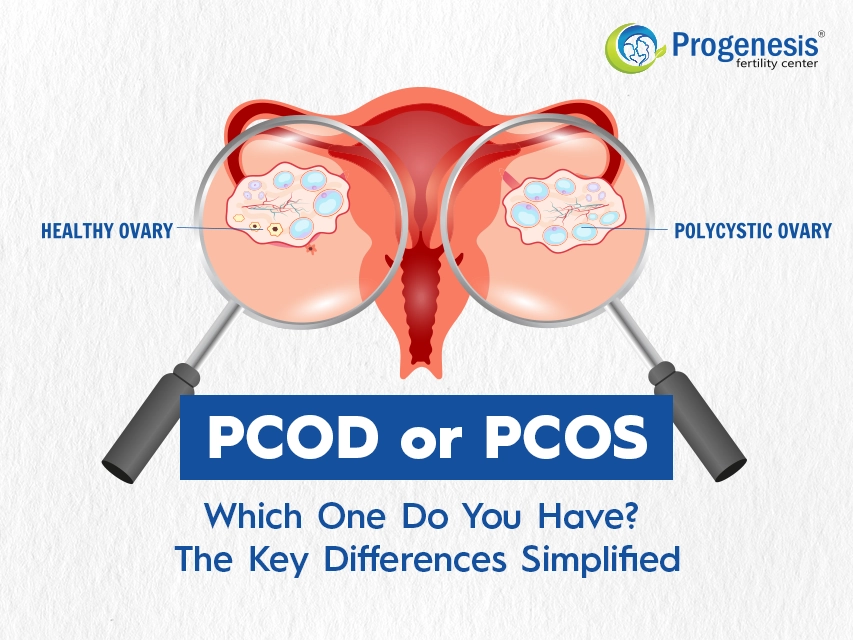
What is PCOD?
PCOD, or Polycystic Ovarian Disease, develops when the ovaries produce immature or half-grown eggs, which may form cysts in the future. This condition leads to hormonal disorders but is generally milder than PCOS.
Main Symptoms of PCOD
- Irregular menstrual cycle
- Weight gain
- Acne and oily skin
- Hair thinning
Healthy lifestyle changes like proper food and daily exercise can manage fatigue and PCOD.
What is PCOS?
PCOS, or Polycystic Ovary Syndrome, is a metabolic and hormonal disorder that not only targets the ovaries but also other organs of the body. It is characterized by a disturbance in male hormones (androgens), which can have a drastic impact on a person's health.
Important PCOS Symptoms
- Severe irregularity in menstruation
- Too much facial and body hair (hirsutism).
- Continued acne
- Obesity or difficulty losing weight
- Challenges with infertility
- Risk of diabetes and heart disease.
In contrast to PCOD, PCOS frequently requires medical treatment along with lifestyle modification.
Also Read: How to Know If You Have PCOS?
Key Differences Between PCOD and PCOS
| Characteristics | PCOS | PCOD |
| Occurrence | Rare and lesser patients. | Common in women worldwide. |
| Definition | Endocrine disorder of ovaries with immature follicles. | Metabolic disorder due to hormonal imbalance. |
| Presence of cysts | Minimum number of cysts. | More than 10 cysts in each ovary. |
| Cause | Genetics, lifestyle, eating habits, mental health. | Genetics, insulin resistance, inflammation, weight. |
| Severity | PCOS cannot be reversed. | PCOD can be reversed with medication. |
| Treatment | Diet control, exercise, lifestyle changes, and medication. | Diet, exercise, medication, surgery. |
| Complications | Hard to get pregnant, Risk of diabetes, High blood pressure, Obesity, Endometrial cancer. | It's easy to get pregnant with medical aid. |
Prevalence: PCOD vs PCOS
Even though they are normally mistaken as one, polycystic ovarian disease (PCOD) and polycystic ovarian syndrome (PCOS) are actually not similar. PCOD complicates pregnancy and mainly targets the ovaries, leading to abnormal menstruation and cysts. PCOS is a difficult condition. It involves the entire body but particularly the metabolism, leading to weight gain, hormonal imbalances, and insulin resistance, where the body finds it difficult to regulate blood sugar levels. While PCOD primarily involves the ovaries, it has the potential to lead to acne, hirsutism, and greater susceptibility to non-infectious diseases like diabetes and heart disease. To understand the distinction between the two is vital for controlling symptoms and minimizing long-term health hazards.
Also Read: Best age to Conceive With PCOS | Get pregnant with PCOS
Severity & Health Risks
Below are the risk factors of PCOD and PCOS:
Hormonal Imbalance: Hormonal imbalance is a major cause of PCOD and PCOS. Irregular balance of some hormones in the body can lead to irregular ovulation, increased androgen (male hormone) levels, and the development of ovarian cysts. This hormonal imbalance is believed to be generated by a malfunctioning hypothalamic-pituitary-ovarian (HPO) axis, which controls reproductive hormones.
Genetics: Genetics will greatly raise the risk of having PCOD or PCOS. Studies have shown that females with a family history of both the conditions are more likely to get them as well. Women who have close relatives who have been diagnosed with these conditions need to talk to their physician about their risk factors.
Diet and Exercise: Your exercise routine and diet can affect your chances of developing PCOD or PCOS. Consuming a poor diet filled with processed foods and refined carbohydrates has been associated with increased insulin resistance levels, which increase your chance of developing these conditions. Engaging in regular exercise also aids in regulating hormone balance and reducing your chances of developing PCOD or PCOS.
Lifestyle Factors: There are also specific lifestyle choices that have the potential to increase your likelihood of experiencing PCOD or PCOS. Among these are cigarette smoking, overindulgence in alcohol, lack of effective stress management, sleep deprivation, being overweight or obese, and a sedentary lifestyle. Knowledge of these lifestyle variables helps you understand how they influence your overall health, allowing you to make intelligent decisions on how best to reduce the risk of developing the illness.
Fertility & Pregnancy Implications
If you are trying to conceive, your PCOD/PCOS treatment will focus on:
- Restoring normal ovulation
- Weight loss
- General improvement in your health and wellbeing
If you've altered your lifestyle and you're still having difficulty conceiving, your doctor may suggest fertility tests. They may also suggest fertility medication to enable you to ovulate. In certain situations, they can suggest surgery.
In vitro fertilisation (IVF) is another treatment that can increase some individuals' probabilities of conception. This is, however, usually pursued once all other avenues have been exhausted.
Management Approaches
Also Read: Things you need to know while trying to conceive with PCOS
Treatment of PCOD
- Having a healthy diet and reducing the consumption of sugar.
- Exercising regularly to stay healthy.
- Reducing stress through practices like yoga or meditation.
- Medication for the regulation of periods (if necessary).
Treatment for PCOS
- Hormone therapy to stabilize androgen levels.
- Metabolic issues, including insulin resistance.
- Fertility treatments for women who are preparing for pregnancy.
- Lifestyle changes just like PCOD therapy.
Also Read: 5 Myths about Polycystic Ovary Syndrome (PCOS)