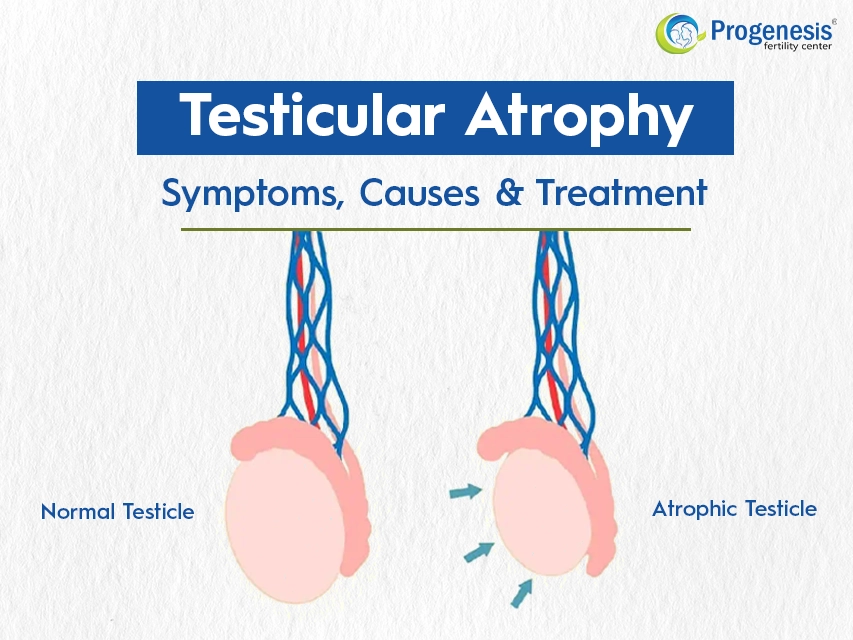
Testicular atrophy refers to the shrinkage of your testicles. It is not the same as when your scrotum shrinks and shrivels in response to cold. Rather, it refers to a reduction in the size of one or both of your testicles compared to their typical size.
Testicular shrinkage is often associated with aging, although it can also be caused by medical diseases affecting the testicles, such as varicoceles or testicular torsion, or medications that imitate the effects of testosterone, such as anabolic steroids. Infections, excessive alcohol consumption, and testicular cancer have also been linked to this condition. In some situations, your fertility and ability to conceive may be compromised. Let’s learn more about this condition in detail.
Overview of Testicular Atrophy
Testicular atrophy is caused by the loss of cells that line the network of tubes within your testicles, known as the seminiferous tubules. Sertoli cells and germ cells are responsible for sperm production, while Leydig cells create testosterone. This reduces the volume of the seminiferous tubules and, consequently, the size of your testicles.
Testicular atrophy can also impair testicular function, resulting in a decrease in sperm count and a significant drop in testosterone levels (known as hypogonadism).
If testicular atrophy develops before puberty, an individual may also suffer from:
- Delayed sexual development
- A lack of hair on the face, body, and pubic area
- An increased penis size compared to the testicles
Testicular Atrophy Symptoms
Understanding the many symptoms of testicular atrophy is crucial. These symptoms include:
1. Reduced Testicular Size: The telling symptom is an obvious decrease in testicular size.
2. Pain or Discomfort: Afflicted people may experience varied degrees of discomfort or pain in the affected testicle.
3. Infertility: Testicular atrophy generally reduces sperm production, enhancing the possibility of reproductive problems.
4. Hormonal Cadence Disrupted: Hormonal pattes may fluctuate, resulting in decreased libido, exhaustion, and the volatile mood swings of atrophy.
5. Scrotal Encumbrance: As the testicles shrink, the scrotum may tighten over them, altering the sensation.
Also Read: Does Alcohol and Smoking Harm Men's Fertility & Sex Life?
Causes of Testicular Atrophy
The following are the causes of testicular atrophy:
1. Varicocele: This disorder, which resembles varicose veins in the scrotum, affects testicular blood flow and may cause atrophy.
2. Infections: Infections such as mumps or orchitis can cause severe damage to testicular tissue, resulting in atrophy.
3. Hormonal Intake: Testicular shrinkage is frequently caused by men receiving exteal hormonal medications such as testosterone, estrogen, or anabolic steroids.
4. Testicular Torsion: The painful twist of a testicle's blood supply causes reduced circulation and possible atrophy.
5. Injury or Harm: Neglected physical harm to the testicles might lead to testicular atrophy over time.
6. Ageing: Natural ageing processes can cause a gradual loss in testicle size, which is not always challenging.
Also Read: What Causes Low Sperm Count and How Is It Treated?
Diagnosis of Testicular Atrophy
Early diagnosis is the foundation of good testicular atrophy care, and doctors use a variety of diagnostic techniques such as:
1. Physical Examination: A thorough examination of the scrotum can reveal signs of atrophy.
2. Ultrasound: High-frequency sound waves reveal the position of the scrotum, offering light on testicular size and any abnormalities.
3. Blood Tests: The effects of hormonal imbalances are reflected in blood tests, particularly those that measure testosterone levels.
4. Medical History: Any previous infections, injuries, or surgical procedures might provide deep insights into the potential causes of atrophy.
5. Biopsy: In the rarest of situations, when certainty is required, a tissue biopsy is performed to confirm the diagnosis and eliminate other possibilities.
Also Read: The Truth About Andropause (Male Menopause)
Treatment for Testicular Atrophy
There are multiple effective testicular atrophy treatments available, which include:
1. Medications: Hormone replacement therapy (HRT) is designed to restore hormonal balance, hence improving testicular health.
2. Surgery: Surgical techniques, such as varicocelectomy, can repair damaged veins and improve blood flow to the testicles.
3. Infection Management: Antibiotics are provided to treat infections that cause atrophy.
4. Testicular Prosthesis: In severe cases, a testicular prosthesis might be surgically placed to restore a normal appearance.
5. Lifestyle Changes: Living a healthy lifestyle, which includes a well-balanced diet and regular exercise, can benefit overall testicular health.
Also Read: Erectile dysfunction Treatment, Symptoms and causes
Conclusion
Individuals need to be aware of the original size and shape of their testicles. If one or both testicles become noticeably smaller, it is necessary to consult with a doctor at once. Early intervention and treatment can increase the chances of successfully reversing testicular atrophy.