
Understanding PCOS and Its Impact on Hormonal Health
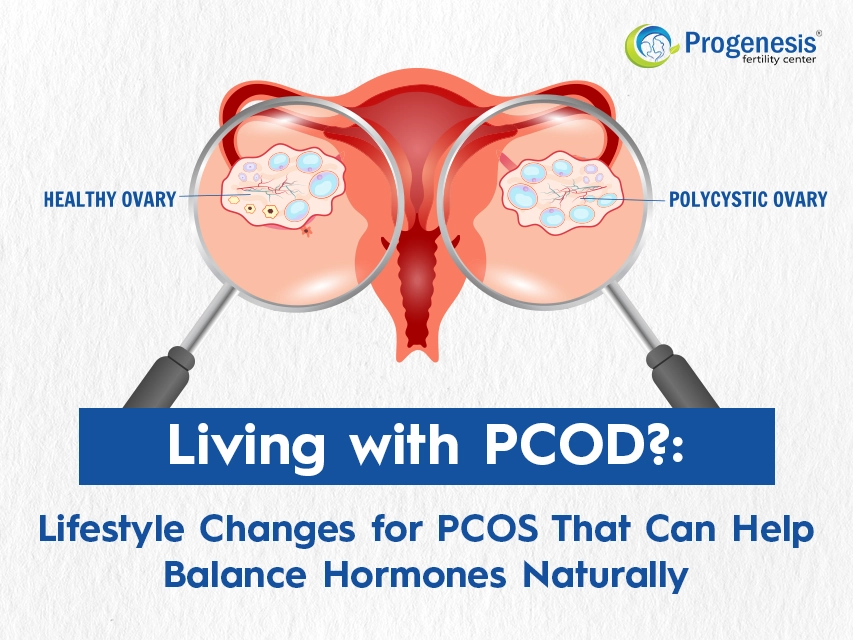
Polycystic Ovarian Syndrome (PCOS) is a common hormonal condition that affects women of reproductive age. It interferes with the ovaries' natural function, resulting in irregular or skipped periods, increased androgen (male hormone) levels, and the formation of tiny cysts on the ovaries. PCOS has an influence on fertility, metabolic health, and overall well-being. However, there are treatments and lifestyle changes that can help control symptoms and enhance your quality of life.
Hormonal Imbalances in PCOS:
Excess Androgens: Excess androgens, including testosterone, can interrupt the menstrual cycle and cause symptoms like hirsutism, acne, and male-pattern baldness.
Insulin Resistance: Insulin resistance is a common issue for women with PCOS, resulting in high insulin levels due to improper insulin response. This can further increase testosterone production and weight gain.
Disrupted Ovarian Function: PCOS can cause hormonal imbalances that disrupt ovulation, making it difficult to conceive.
Other Hormones: PCOS can also cause imbalances in other hormones, such as FSH, LH, and growth and metabolism hormones.
Dietary Adjustments for Hormonal Balance
To help maintain hormonal balance in PCOS (Polycystic Ovary Syndrome), dietary changes should be made. Let's learn what foods to include and avoid in your diet-
Include:
Low GI Carbohydrates: For low GI carbohydrates, choose whole grains like brown rice and oats. These grains release energy slowly and manage blood sugar levels.
Lean Proteins: Lean proteins, such as chicken, fish (particularly omega-3-rich salmon and tuna), tofu, and lentils, support satiety and regulate hormones.
Healthy Fats: Consume healthy fats such as avocados, almonds, seeds (chia, flax), and olive oil to promote hormone production and reduce inflammation.
Fruits and Vegetables: Incorporate non-starchy veggies like spinach, kale, and broccoli, as well as colorful fruits like berries, to boost antioxidants and fiber intake.
Fiber-Rich Foods: Consuming fiber-rich foods, such as fruits, vegetables, and whole grains, can improve digestion, regulate blood sugar levels, and promote healthy weight management.
Anti-Inflammatory Foods: These include tomatoes, spinach, almonds, and walnuts, which can help manage PCOS-related inflammation.
Avoid:
Processed Foods: They are generally high in unhealthy fats, sugars, and sodium.
Refined Carbohydrates: Reduce consumption of refined carbs, such as white bread, rice, and pasta, as they might induce rapid blood sugar rises.
Sugary Drinks and Snacks: Limit or avoid sugary drinks and snacks, as they can aggravate insulin resistance and hormonal imbalances.
Excessive Saturated and Trans Fats: Reduce intake of saturated and trans fats, including fried foods and processed snacks.
Incorporating Regular Physical Activity
The following physical activities can be beneficial to someone with PCOD:
Cardio:
Walking: Taking a walk for 30 minutes daily can help reduce fat and improve insulin sensitivity.
Cycling: Cycling a few times a week can be beneficial.
Swimming: Swimming is a fantastic, low-impact activity that exercises your entire body.
Jogging: Jogging is a more intense workout that can burn more calories.
Strength Training:
Bodyweight Exercises: These include exercises such as squats, lunges, push-ups, and planks.
Weightlifting: Using dumbbells or resistance bands can help build muscular mass and boost metabolism.
Resistance Band Workouts: A diverse approach to increase resistance during your workouts.
Flexibility and Mind-Body:
Yoga: It can help you manage stress, regulate your hormones, and gain flexibility.
Pilates: It emphasizes core strength, flexibility, and body awareness.
Tai Chi: Another great way to improve balance, flexibility, and stress reduction.
Also Read: Can I get Pregnant with PCOD/PCOS?
Managing Stress and Ensuring Quality Sleep
Stress management techniques for PCOD can include:
Mindfulness and Meditation: Deep breathing, meditation, and yoga are all effective ways to reduce stress and promote relaxation.
Regular Exercise: Activities such as walking, jogging, or yoga can boost mood and reduce stress by releasing endorphins.
Healthy Diet: A well-balanced diet rich in fruits, vegetables, and lean proteins helps boost mood and regulate hormones.
Engage in Enjoyable Activities: To relieve stress, make time for hobbies and activities that you enjoy.
Connect with Others: Spending time with loved ones and reaching out to friends, relatives, or support groups can provide emotional assistance.
Limit Caffeine and Alcohol: Limit caffeine and alcohol, as these can interrupt sleep and trigger anxiety.
Seek Professional Help: If stress becomes overwhelming, seek help from a therapist or counselor.
Also Check: Fibroids - Symptoms, causes, risk factors & treatment
To improve sleep quality in PCOD, practice the following:
A Consistent Sleep Schedule: Go to bed and wake up at the same time every day, even on weekends. This will help regulate your body's natural sleep-wake cycle.
Create a Relaxing Bedtime Routine: Relax before bedtime with activities such as reading, taking a warm bath, or listening to soothing music.
Optimize Your Sleep Environment: Make sure that your sleeping area is dark, quiet, and pleasantly cool.
Reduce Screen Time Before Bed: Electronic gadgets generate blue light, which can interfere with sleep.
Limit Caffeine and Alcohol: Avoid these substances, especially near bedtime, because they could disrupt sleep.
Consider Herbal Remedies: Herbal teas, such as chamomile or lavender, might help you relax and sleep better.
Prioritize Comfort: Make sure your bed and bedding are comfy and supportive.
Relaxation Techniques: Before going to bed, use deep breathing or meditation to help your mind and body relax.
Also Check: Endometriosis Treatment, Symptoms and causes
Exploring Natural Supplements and Herbal Remedies
Consuming Whole Foods- Whole foods include no artificial sweeteners and are free of preservatives. Fruits, vegetables, whole grains, and legumes are examples of whole foods that can be included in the diets of women with PCOD. These may help maintain insulin levels, keeping PCOD under control.
Monitoring Carbohydrate Intake- Carbohydrate intake should be monitored because it can affect blood sugar levels and cause excessive insulin levels. It is critical to consume fewer carbohydrates while eating more protein and fiber-rich foods.
Including Anti-Inflammatory Foods- PCOS might be considered a chronic inflammatory condition. As a result, eating anti-inflammatory foods can help to alleviate the symptoms associated with PCOS. Foods with anti-inflammatory characteristics include tomatoes, leafy vegetables and greens, fatty fish such as tuna, tree nuts, and olive oil.
Maintaining a High Iron Intake- Women with PCOS are more prone to develop iron deficiency due to more bleeding during menstrual cycles. This may cause the woman suffering from PCOS to become anemic. Including iron-rich foods in the diet can help prevent this condition. Spinach, eggs, liver, and broccoli are excellent iron-rich meals to include. It is also critical to see a doctor about iron supplements and the consumption of iron-rich foods.
Avoiding coffee: Caffeine in coffee stimulates the body by raising estrogen levels. As a result, hormonal imbalances may occur. It is suggested to avoid coffee. Instead, the individual might revitalize themselves with herbal tea. Green tea also helps to manage insulin levels and is an effective weight loss agent, which is very important for women with PCOS.
Increasing Magnesium Intake- Magnesium-rich foods, including cashews, almonds, bananas, and spinach, can be included in the diet to help with PCOS symptoms. Magnesium helps to manage insulin levels and promotes comfortable sleep.
Fiber Intake- Including fiber in one's diet improves digestion. Foods high in fiber, such as lentils, lima beans, broccoli, Brussels sprouts, pears, and avocados, can help improve digestion for women with PCOS, who may experience bloating and constipation during their periods.
Consuming Soy Products- Including soy protein or soy products in one's diet helps to balance estrogen levels in the body, allowing for proper hormone production. Soy milk and tofu are possible choices. People with estrogen-related issues, such as breast cancer, should avoid consuming soy products. As a result, it is necessary to consult with a doctor before putting soy in your diet.
Avoiding Junk, Oily/Fatty Foods- Oily foods contribute to weight gain and poor digestion. This can lead to severe PCOS symptoms. As a result, junk and greasy meals must be avoided at all costs, with the exception of olive oil.
Also Check: Semen Analysis Test: Purpose, Procedure, & Results
Avoiding Endocrine Disruptors in Daily Life
To decrease exposure to endocrine disruptors, which may exacerbate disorders like PCOS, consider the following:
- Replace plastic containers, bottles, and food storage items with glass, stainless steel, or ceramic alteatives.
- Consider using "phthalate-free" and "paraben-free" personal care products and cosmetics.
- Filter your water to eliminate any potential pollutants from your tap water.
- Avoid heating food in plastic containers and be aware of potential leachates from food packaging.
- To avoid pesticide exposure, buy organic produce and investigate organic alteatives to other foods.
- Reduce pesticide use and use insecticides carefully in your garden and home.
- Consider using stainless steel, cast iron, or ceramic cookware instead of nonstick.
- Vacuum and dust often. Reduce your exposure to dust, which may contain dangerous substances.
- Choose fragrance-free goods to avoid endocrine-disrupting substances.
- Be careful of flame retardants in clothing and bedding, and consider using natural fabrics.
- Reduce Mercury Exposure by minimizing your consumption of larger fish such as tuna.
- Consider silicone menstruation cups or discs as an alteative to standard items.
- Wash your hands frequently to get rid of chemical residues.
- Research and remain informed on potential endocrine disruptors and their sources.
Conclusion
Adjustments are essential for controlling Polycystic Ovary Syndrome (PCOS). A holistic strategy that includes a healthy diet, regular exercise, stress management, and adequate sleep can greatly improve PCOS symptoms and general health. Women with PCOS can influence their health and well-being by making informed decisions and prioritizing self-care, resulting in better and happier lives.