
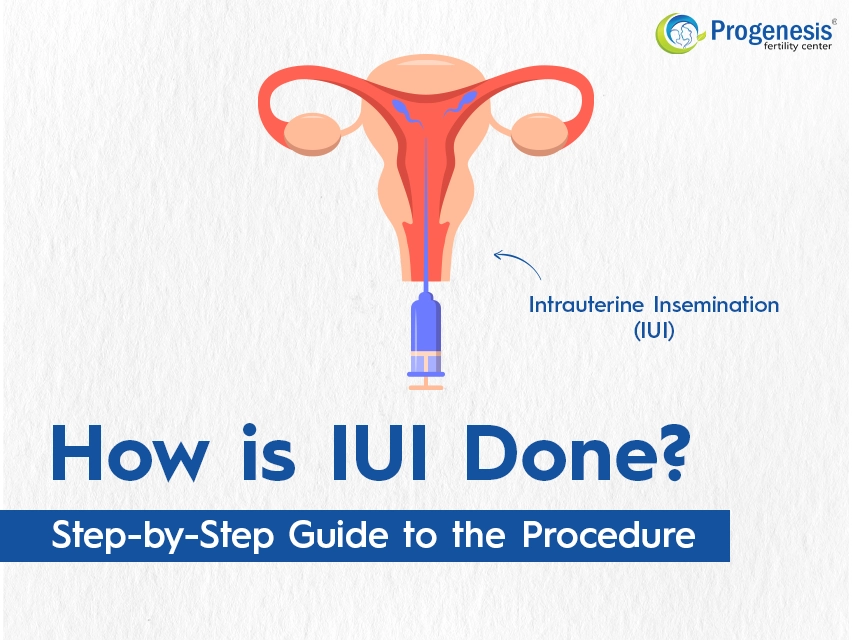
Understanding Intrauterine Insemination (IUI)
Intrauterine insemination (IUI) is a fertility treatment procedure in which sperm is placed directly into the uterus after being washed and processed, raising the number of sperm that reach the fallopian tubes and, thus, the chances of conception. It is a less intrusive and less expensive reproductive treatment option than in vitro fertilization (IVF). IUI is considered a first-line fertility treatment, which means that most couples will try IUI before moving on to IVF.
Couples may consider IUI if they have poor sperm quality or quantity, or if their infertility is caused by cervical difficulties, ovulatory disorders or endometriosis. It's also a possibility for single people or same-sex couples looking to get pregnant.
Indications for IUI
People choose IUI for a variety of reasons, including infertility conces or when the following circumstances exist:
- Cervical mucus problems or other issues with your cervix.
- Low sperm count or other sperm abnormalities.
- You are using donor sperm.
- Ejaculation or erectile dysfunction.
- Unexplained infertility.
Consult with a fertility specialist to get started.
Preparing for the IUI Procedure
Before beginning the IUI treatment, you must have a full medical examination and fertility tests done. Your partner will also undergo examinations and testing. These tests may include:
- A uterine examination
- Ultrasounds of the uterus
- A semen analysis
- Screening for STIs and other infectious disorders
- Blood testing
Your doctor may advise you to take folic acid at least three months before conception or the IUI treatment.
Also Read: When is IUI suggested as the first line of treatment?
Step-by-Step IUI Process

The IUI approach takes around four weeks (approximately 28 days) from start to finish.
Before beginning the IUI procedure, you and your partner will undergo a complete evaluation, which may involve bloodwork, sperm analysis, ultrasound, and other diagnostics.
Some patients receive oral fertility medication for five days or injectable medication for up to two weeks. This enhances your chances of ovulating and releasing numerous eggs. However, not everyone requires these medications.
On the day of the IUI process, your partner will deliver a fresh sperm sample. A method known as "sperm washing" extracts a concentrated amount of healthy sperm in preparation for insemination.
The insemination is a swift process. You will lie down on the examination table and your doctor will place a speculum into your vagina, similar to what happens during a Pap test. Then, a catheter is introduced through your cervix into your uterus. Finally, your fertility specialist will inject the washed sperm sample into your uterus.
It takes a few minutes to implant the sperm. Your fertility specialist may instruct you to lie down for approximately 15 minutes following the procedure.
You can get a pregnancy test two weeks after insemination.
Post-Procedure Care and Considerations
Also Read: Multiple IUI Failure - What should be your next step?
Here are some detailed post-IUI care and considerations:
Resting: After IUI, it's recommended to rest and relax for the first few days. This helps your body to heal and may aid in the implantation procedure.
Hydrate: Drink enough fluids and stay hydrated to maintain good health and promote the implantation process.
Diet: A balanced diet including fruits, vegetables, whole grains, and lean proteins is suggested. Consider foods rich in folic acid, iron, and antioxidants.
Medications: Take prescribed medications like progesterone as indicated. These can help to support the uterine lining, thereby increasing the odds of successful implantation.
Avoid Smoking, Alcohol, and Caffeine: These substances can harm fertility and pregnancy outcomes.
Intercourse: Your doctor may advise you to avoid intercourse for a few days after IUI.
Stress Management: This includes relaxation techniques and other stress-reducing activities.
Follow-up Appointments: Attend planned follow-up appointments with your doctor to track your progress and address any conces.
Mild Cramping and Spotting: Mild cramps and spotting are usual in the days after IUI.
Physical Activity: Gentle exercise, such as walking or yoga, can be useful, but vigorous activity should be avoided.
Sleep: Getting adequate sleep helps alleviate stress and enhance overall health.
Also Check: What is the difference between IUI and IVF?
Success Rates and Factors Influencing Outcomes
For women under 35, the success rate of IUI is typically between 10% and 20% per cycle. It can drop to 3-9% for women aged 40 and above. IUI has a cumulative success rate of 60-65% after 3-4 rounds.
While simpler than IVF, IUI requires physical and emotional preparation. From adopting healthy living choices to extensive medical evaluations, each action you take might have a big impact on the outcome of your treatment. Consider the following guidelines while planning for IUI treatment:
- Schedule routine medical examinations with your fertility expert.
- Consider supplementing with vitamins.
- Learn about the most prevalent IUI medications.
- Eat a balanced diet, exercise regularly, and get plenty of sleep.
- Seek emotional assistance.
Conclusion
Many individuals and couples who have struggled to conceive have found success using IUI. While there are certain risk factors and side effects, they are usually mild or uncommon, and the procedure itself is safer and less invasive than other reproductive treatments. If you are struggling to conceive, IUI can be a first good fertility treatment to opt for.