Impact of Women’s Age on Fertility & Motherhood
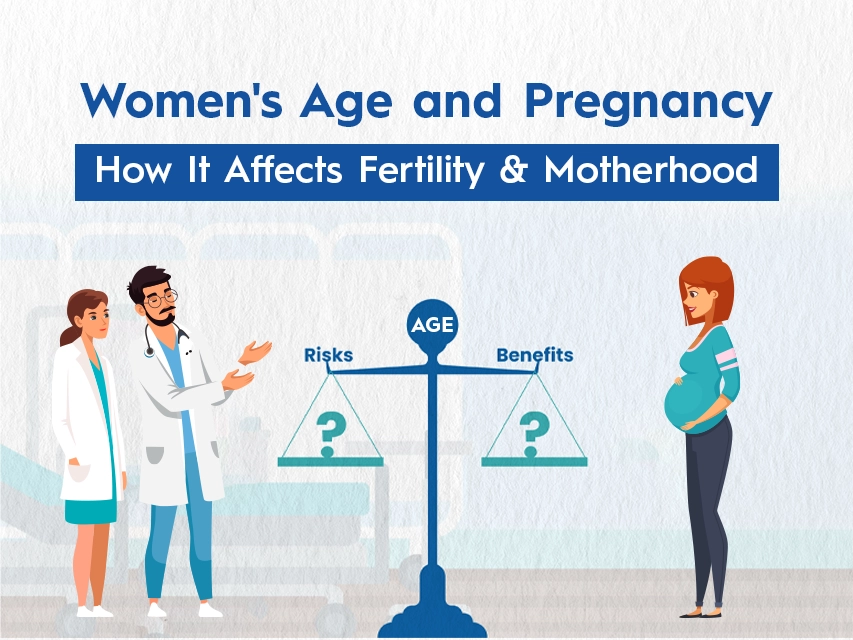
A woman is born with all of the eggs she will produce in her lifetime. Her eggs age along with her, decrease in quality and number with age. Age is the most important variable influencing a woman's fertility. While good health increases the likelihood of becoming pregnant and having a healthy baby, it does not cancel out the effects of aging on a woman's fertility. Are you looking forward to becoming a mother at some point? Then this article may be for you.
How Age Affects a Woman's Fertility
A woman's fertility naturally falls with age, beginning in her early 30s and accelerating beyond 35, reducing the quantity and quality of her eggs and raising the chance of pregnancy difficulties.
Below is a breakdown of women's ages and fertility:
Early to mid-20's: A woman has a 25-30% probability of becoming pregnant each month.
Age 30's: Fertility begins to drop after age 30 and accelerates beyond 35.
Age 40's: The likelihood of achieving pregnancy naturally is approximately 5%.
Age 45: It is highly unlikely that you will become pregnant naturally.
Age and Natural Conception Chances
A woman in her early to mid-twenties has a 25-30% probability of getting pregnant each month. Fertility normally begins to fall gradually in a woman's early 30s, and the decline accelerates after the age of 35. By the age of 40, the chances of getting pregnant naturally in any monthly cycle are approximately 5%.
Read More: How to get pregnant after 40?
Age and Egg Quality & Quantity
As women age, the quantity and quality of their eggs decrease, affecting fertility, with a notable loss beginning in the mid-thirties and increasing after 35. Here are more details on egg quantity and quality:
Egg Quantity:
- Women have an unlimited supply of eggs stored in their ovaries as follicles at birth.
- A woman's egg count normally drops as she ages, from millions at birth to roughly 300,000-500,000 around adolescence and then decreasing more as she ages.
- By the time a woman enters menopause, she usually has less than 100 eggs left.
Egg Quality:
- As women age, the quality of their eggs deteriorates, resulting in a greater number of eggs containing genetic defects.
- This loss in egg quality can make it more difficult to conceive naturally or using assisted reproductive technologies (ART), such as IVF.
- The loss in egg quality is caused by the age of the ovaries and the failure of the machinery within each egg that ensures it has the proper quantity of genetic material.
Also Read: Pregnancy after Menopause : What You Should Know
Age and IVF Success

Age has a substantial impact on IVF success rates, with younger women having a better likelihood of success than older women. This is due to a decrease in egg quality and quantity with age, which results in reduced implantation rates and greater miscarriage rates.
Here's a detailed look:
Age and IVF Success Rates:
Women under 35 often have the highest IVF success rates, with live birth rates of around 32%.
Age 35-37: Success rates start to drop, with live birth rates averaging around 25%.
Age 38-40: Success rates continue to decline, with live birth rates averaging around 19%.
Over age 40: IVF success rates are much reduced, with live birth rates ranging around 11% or lower.
Over age 43: IVF success rates are extremely low, with some clinics advising usage of donated eggs for women of this age.
Also Check: 10 surprising facts about fertility that you may not know
Factors affecting IVF success rates:
Egg Quality: As women age, the quality of their eggs drop, increasing the risk of genetic abnormalities.
Egg Quantity: The quantity of eggs accessible for retrieval reduces with age.
Implantation Rate: The fertilized egg's capacity to implant in the uterus is reduced in older women.
Miscarriage Rate: Older women are more likely to miscarry.
Other Factors: Individual health issues, fertility conces, and sperm quality can all influence IVF success rates.
Also Check: Top 6 male and female fertility myths
Age and Pregnancy Risks & Complications
Pregnancy risks and difficulties rise with mateal age, including greater incidences of miscarriage, stillbirth, gestational diabetes, hypertension, and birth abnormalities such as Down syndrome. Here's a more in-depth look at the risks and complications linked with pregnancy after 35.
Miscarriage and Stillbirth: Miscarriage and stillbirth risk increases with age.
Gestational Diabetes: Older women are more prone to develop gestational diabetes, which causes high blood sugar levels during pregnancy.
Preeclampsia: Preeclampsia, a disorder characterized by high blood pressure and protein in the urine, is more prevalent in older pregnancies.
Birth Defects: Babies born to aged moms have a slightly higher chance of developing some genetic disorders, such as Down Syndrome.
Preterm Birth and Low Birth Weight: There is a higher risk of premature birth (before 37 weeks) and low birth weight in babies born to older mothers.
Multiple Pregnancies: Older women are more likely to conceive twins or other multiples, particularly when using fertility treatments.
Cesarean Delivery: In advanced aged pregnancies, the requirement for a cesarean section (C-section) may be greater.
Hypertension: Pre-existing high blood pressure is more common in older women, as is pregnant hypertension.
Placenta Previa: A condition in which the placenta covers the cervix, increasing the likelihood of bleeding during pregnancy and birth.
Fetal Growth Restriction: According to some research, older moms may be more likely to have babies with intrauterine growth restriction (IUGR).
Age and Miscarriage Risk
Mateal age has a considerable impact on miscarriage risk, with an apparent rise after age 35, reaching peak rates at 40 and 45. Chromosomal abnormalities in the developing fetus play a major role in these age-related miscarriages.
Age-Specific Risks:
Under the age of 30: Approximately one out of every ten pregnancies ends in miscarriage.
Ages 35-39: Up to two out of every ten pregnancies may result in miscarriages.
Over the age of 45: More than five out of every ten pregnancies end in miscarriages.
Other factors:
Past Miscarriages: Previous miscarriages raise the likelihood of future losses.
Underlying Medical Conditions: Conditions such as uncontrolled diabetes can increase the risk.
Lifestyle Factors: Smoking, alcohol consumption, and drug usage can all increase the risk.
Pateal age: Advanced pateal age is also linked to a higher incidence of miscarriage.
Also Read: Best age to Conceive With PCOS |
When to See a Doctor for Fertility Help
If you're over 35 and wanting to conceive, seek medical assistance after six months of trying; if you're over 40, do it sooner, as age-related fertility decline accelerates in your mid-thirties.
If you are under 35 and haven't conceived after a year of trying, then too you should seek medical attention. Seeking early evaluation by consulting with a fertility specialist helps you discover potential conces and improve treatment outcomes.