
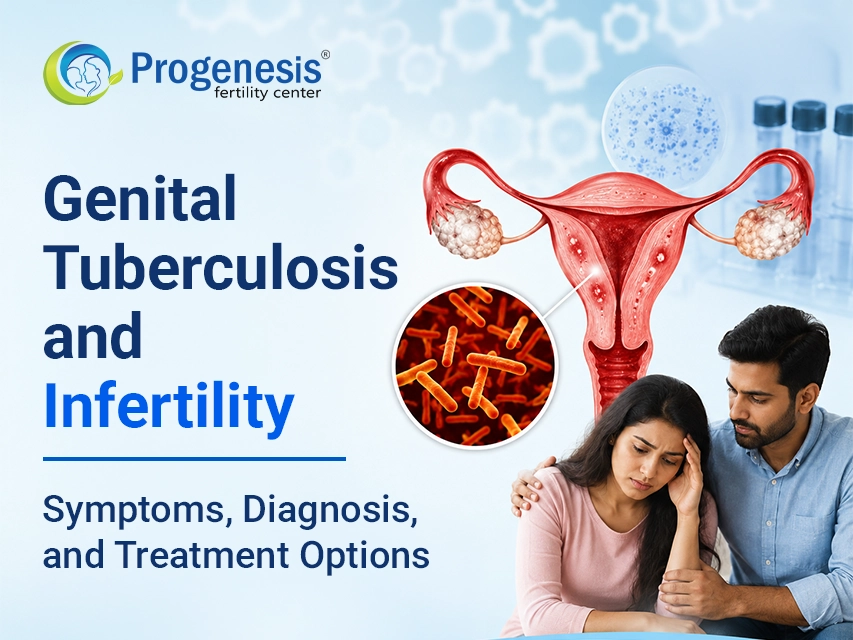
Tuberculosis is a disease, caused by the bacteria Mycobacterium tuberculosis, that if gets into your reproductive system can cause genital tuberculosis.
Infectious illnesses are fairly common today. However, many of them are highly contagious because the germ can get passed from one person to another. Tuberculosis is one such disease, caused by the bacteria Mycobacterium tuberculosis. If the bacterium gets into your reproductive system, it can cause genital tuberculosis. Genital tuberculosis is an example of extrapulmonary tuberculosis, which occurs outside of the lungs.
FGTB is the outcome of a primary genital infection. In general, FGTB results from a previous tuberculosis infection, which is frequently acquired through the lungs. Bacteria can enter the vaginal tract via the bloodstream or lymphatics, or even from neighbouring affected organs like the intestines.
Who Does It Affect?
Women of reproductive age (15-45) are at a higher risk of getting affected by this issue. Furthermore, FGTB can develop at any age, even in postmenopausal women. Furthermore, it is more common in nations with a greater TB incidence.
Symptoms Of Female Genital Tuberculosis
FGTB is classified as a silent disease since its symptoms can be minor, unclear, or absent. The majority of instances are detected during an infertility examination. Here are a few common symptoms:
| Symptom Category | Description |
|---|---|
| Menstrual Conces | Might include excessive menstrual bleeding, irregular periods, or even no periods at all. |
| Discomfort in the Pelvis | Recurring or chronic discomfort in the lower abdomen or pelvis that only affects women. |
| Abnormal Vaginal Secretion | The secretion might be thick and foul-smelling. |
| Systemic Symptoms | Include fever, weight loss, and exhaustion. |
| Other Symptoms | Include postmenopausal bleeding, pelvic or abdominal weight gain, chronic pelvic inflammation, and symptoms that mimic other conditions such as ovarian cysts or tumours. |
Also Read: Low AMH: Causes, Symptoms, and Treatment
Effect on Fertility
Fertility issues are one of the most serious consequences of FGTB because the infection primarily affects the fallopian tubes in 95-100% of cases. The condition creates scar tissue, which clogs the tubes and forms adhesions. These scars impede fertilisation by preventing sperm and eggs from meeting. Additionally, the uterine wall is damaged, resulting in poor fertilisation or miscarriage. Even after treatment, fertility rates fall, and there is a higher chance of ectopic pregnancy, in which the fetus develops outside the uterus.
For couples facing permanent fallopian tube blockage or severe uterine lining damage due to FGTB, assisted reproductive technology such as IVF is often recommended as the most effective path to achieving a pregnancy.
Also Read: Understanding IVF Treatments & Success Rates
Diagnosis Of FGTB
The diagnosis of FGTB is difficult because the symptoms can resemble those of other gynaecological illnesses. Diagnosis is done using:
| Diagnostic Method | Description & Testing Details |
|---|---|
| Laboratory Tests | Involve collecting tissue or fluid samples (such as endometrial tissue, menstrual fluid, and blood samples) from the reproductive system and testing/analysing them for symptoms of tuberculosis bacteria. |
| Imaging & Endoscopy | Uses imaging treatments (ultrasound, X-ray, MRI) or surgical inspections (laparoscopy) to detect damaged reproductive organs. |
| History & Examination | Involves checking the patient's history of tuberculosis, symptom description, and physical examination. |
Management, Treatment and Preventive Measures
Anti-tuberculosis medication therapy (ATT) is typically given for six months, depending on drug resistance. Surgery is indicated in a few advanced instances, including abscesses, scars, and severe organ infections. While proper and thorough treatment can completely eliminate the infection, fertility once lost due to the disease cannot always be restored.
The Primary prevention method involves the control of common tuberculosis by immunisation. Such methods for prevention include:
| Preventive Method | Description |
|---|---|
| BCG Vaccination | Routinely administered in high-prevalence areas to guard against serious tuberculosis infection. |
| Sexual Safeguard | Although tuberculosis is a very uncommon sexual illness, employing protection reduces the likelihood of developing it. |
| Tuberculosis Treatment | People suffering from pulmonary tuberculosis must receive complete therapy as well as maintain appropriate cleanliness. |
| Awareness Campaign | This ensures that people are aware of the symptoms and the importance of obtaining medical assistance for accurate diagnosis and treatment. |
Social and Psychological Effects
Women suffering from female genital tuberculosis face a lot of societal shame. They also experience emotional distress, which may lead to sadness and anxiety. In some circumstances, marital troubles occur. As a result, the medical and psychological aspects of the condition must be addressed to ensure the well-being of those affected.
Conclusion
FGTB has major consequences for women's reproductive health and well-being. It is especially problematic when there is a high prevalence of tuberculosis in a certain location. Because FGTB can be asymptomatic for lengthy periods of time and is easily confused with other reproductive issues, it requires prompt diagnosis and treatment. Proper awareness can help with achieving the same.