
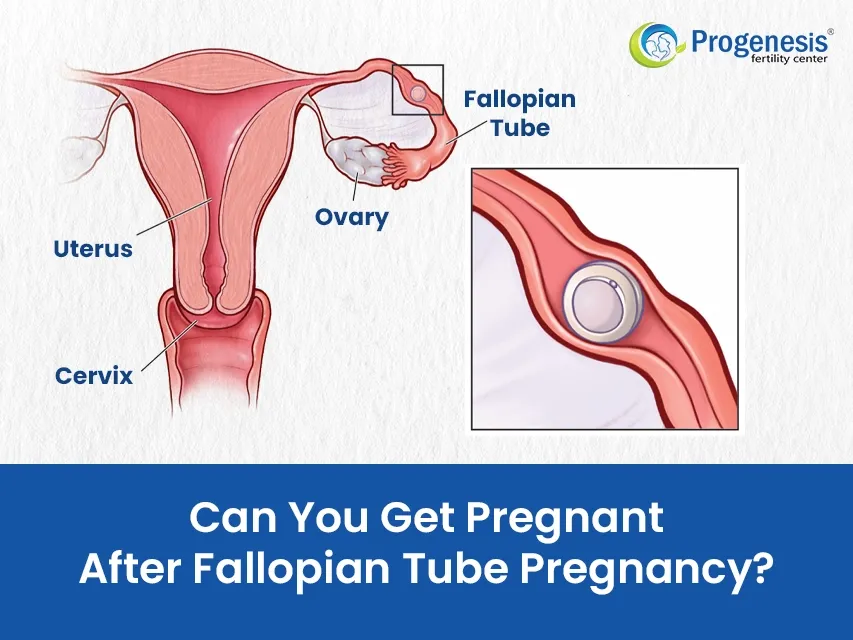
An ectopic pregnancy occurs in about 2% of all pregnancies and happens when a fertilized egg implants in an area aside the uterus where it can’t grow.
What defines an ectopic pregnancy?
An ectopic pregnancy is one that occurs outside of the uterus. This happens when a fertilised egg implants in an area that cannot support its growth. An ectopic pregnancy usually occurs in one of your fallopian tubes. Ectopic pregnancies are rare. It can develop in the ovary, abdominal cavity, or cervix. Ectopic pregnancies wouldn't last since your uterus is the only organ designed to carry a pregnancy.
Ectopic pregnancies can be life-threatening, especially if the fallopian tube ruptures. It can result in serious bleeding, infection, and even death. This is a medical emergency. You must see your doctor and respond immediately to ectopic pregnancies.
Background of ectopic pregnancy
There are two primary reasons why fallopian tubes in women who have had ectopics may be different:
-
The tube was already ruined. Ectopics are frequently produced by scarred fallopian tubes, which cause the early embryo to become stuck in the tube before reaching the uterus.
-
Occasionally, the fallopian tube was normal until the tubal pregnancy. A tubal pregnancy can significantly harm the tube's inner lining.
Also Read: Tube Reversal Treatment or IVF?
Ectopic pregnancy occurs when a fertilised embryo implants on a tissue other than the uterine endometrium. They are nearly always located in the fallopian tubes.
Diagnosing ectopic pregnancy
Most women are unaware that their pregnancy is ectopic until they see their doctor for a prenatal appointment, bloodwork, or an ultrasound. Your doctor may suspect an ectopic pregnancy based on your results at this check-up.
Your doctor will run many tests to determine if you have an ectopic pregnancy. This may include a pelvic examination and confirmation of pregnancy. These tests include:
- A urine test: A urine test entails peeing on a test strip or into a cup in your provider's office, after which a test strip is dipped into the urine sample.
- A blood test: Your doctor may test your blood to determine the presence of the hormone human chorionic gonadotropin (HCG) in your body. Your body only produces HCG during pregnancy. A low level may indicate an ectopic pregnancy, as HCG levels rise quickly when a fertilised egg implants in your uterus.
- Ultrasound: An ultrasound test employs sound waves to create an image of your body's inteal structures. Your physician will use this test to determine where the fertilised egg has implanted.
Also Read: Why is HSG test necessary for female infertility?
If your provider feels that the ectopic pregnancy has ruptured, they can conduct culdocentesis. However, this is rarely used.
After the doctor confirms an ectopic pregnancy and determines where the fertilised egg is implanted, they will discuss a treatment strategy with you. An ectopic pregnancy is a medical emergency that requires prompt care.
Is getting pregnant again possible after an ectopic pregnancy?
Most women who have had an ectopic pregnancy before can have successful pregnancies again. After a previous ectopic pregnancy, you are more likely to have another one. It's critical to discuss the causes of your ectopic pregnancy with your doctor, as well as any risk factors you may have that could lead to another ectopic pregnancy.
Management and treatment of ectopic pregnancy
Healthcare professionals treat ectopic pregnancies with medication or surgery.
Methotrexate for an ectopic pregnancy
In some situations, your doctor may recommend taking methotrexate to prevent the fertilised egg from developing and thereby terminate the pregnancy. The medicine should not harm your fallopian tubes. You cannot take this medicine if your fallopian tube has already ruptured.
Methotrexate is administered to you as a single injection by your doctor. This approach is less intrusive than surgery, but it does necessitate follow-up sessions so that your provider can monitor your HCG levels. It is essential to have regular follow-up in these circumstances. If HCG levels do not decline sufficiently after one dosage of methotrexate, a second injection may be required. Consult with your doctor about the potential side effects and health risks of methotrexate so you know what to expect.
Surgery for an ectopic pregnancy
If your fallopian tube has ruptured or is about to rupture, your doctor will recommend surgery to remove the ectopic pregnancy. This is an emergency operation with a life-saving outcome. The treatment is often performed laparoscopically (via numerous small incisions in your abdomen) while you are asleep and anaesthetised. The surgeon may remove your fallopian tube completely while the egg remains inside, or he may extract the egg from the tube, keeping the fallopian tube.
Also Read: ZIFT and Gestational Surgery: What's the Difference?
IVF after an ectopic pregnancy
Many women with a history of tubal injury and one or more ectopic pregnancies will find that in vitro fertilisation (IVF) is their best option for a successful pregnancy.
IVF Success Rates
Pregnancy success rates with IVF are great in (young) women with tubal issues.
Monitoring needed for your second pregnancy after an ectopic
- Any pregnancy following an ectopic should be closely watched in the early stages to determine its location.
- After a missing menstrual cycle or a positive home pregnancy test, blood hCG levels can be measured to see if they are rising at a normal rate.
- Transvaginal ultrasound can be performed about 5 to 6 weeks into pregnancy to confirm the presence of a gestational sac and yolk sac within the uterine cavity.
- If that is not seen within six weeks, concern should be high for another ectopic.
- When a pregnancy is confirmed in the uterus, it can be handled routinely.
Also Read: Causes of IUI Failure and Chances of Successful Pregnancy
Occasionally, women will have both fallopian tubes surgically removed. This can be caused by ectopic pregnancies or other tubal or pelvic issues. After the tubes are removed, the only way to have a baby is through in vitro fertilisation. IVF offers a high success rate for women without fallopian tubes (or damaged tubes).