
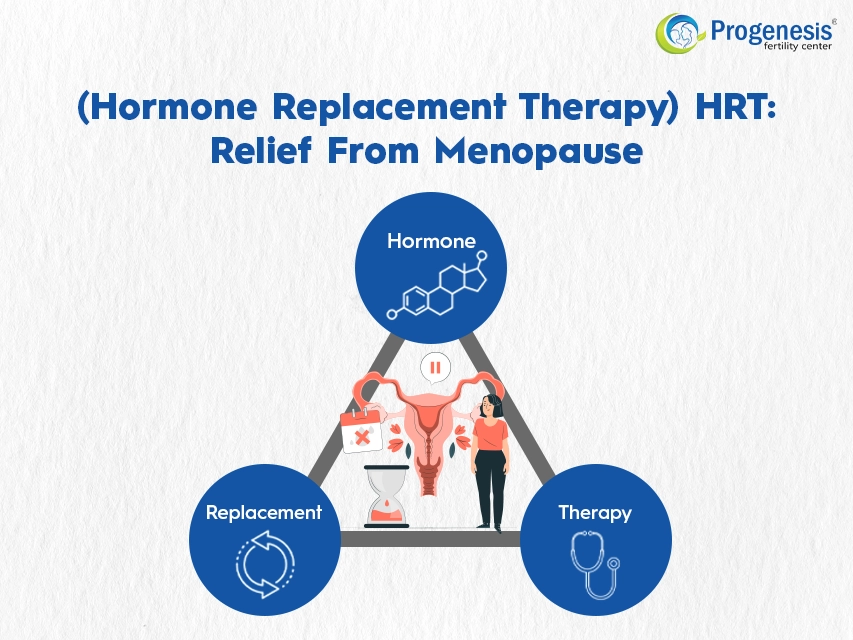
Hormone Replacement Therapy (HRT)
Menopause hormone therapy is a treatment that utilizes female hormones. It serves to replace the estrogen that the body stops producing after menopause, which is when periods stop permanently. This therapy is most commonly used to treat menopausal symptoms like hot flashes and vaginal discomfort. Previously, menopause hormone therapy was known as hormone replacement therapy.
Symptoms Addressed by HRT
As you enter menopause, your ovaries stop producing substantial levels of estrogen. This may cause unpleasant symptoms such as:
- Hot flashes
- Night sweats
- Vaginal dryness and uncomfortable sexual experiences.
- Mood swings, sadness, and irritation
- Insomnia
- Pee leaking out
HRT restores these hormones that your body is not producing enough of. Most people's symptoms improve after their hormone levels rise. HRT can also help with bone loss (osteoporosis and osteopenia), which is a prevalent problem among women who do not produce enough estrogen.
Types of Hormone Replacement Therapy
Menopause hormone therapy replaces the estrogen that your body no longer produces following menopause. There are two primary types of estrogen therapy:
Whole-body hormone therapy: Commonly known as Systemic estrogen, it is a whole-body hormone therapy that is available as a tablet, skin patch, ring, gel, cream, or spray. It often contains more estrogen than other hormonal medications. Systemic estrogen is absorbed throughout the body and can be used to treat a variety of common menopausal symptoms.
Low-dose vaginal estrogen: Low-dose vaginal estrogen is available as a cream, pill, or ring. It often contains less estrogen than systemic therapy, limiting the quantity of estrogen absorbed by the body. Because of this, low-dose vaginal estrogen is typically used to treat only the vaginal and urinary symptoms of menopause.
Also Read: Menopause Age: What to Expect & Early Signs
Benefits of HRT

If HRT is effective for you, it can help with:
- Vaginal dryness and discomfort during intercourse
- Hot flushes and nighttime sweats
- Estrogen insufficiency
- Lowering your chances of getting osteoporosis or fracturing a bone
- Improving mood and overall happiness
- Improving your sleep
- Combination therapy reduces the chance of colon cancer
- Lowering your risk of getting diabetes
Also Check: The Truth About Andropause (Male Menopause)
Risks and Considerations
While hormone replacement therapy (HRT) can help you make it through menopause, it does have risks. Potential health risks include:
- Increased risk of uterine cancer (only if you still have your uterus and are not taking progestin in conjunction with estrogen).
- If you start taking hormone replacement therapy 10 years after menopause, your chance of developing heart disease increases.
- Increased risk of blood clots and strokes.
- Increased chance of gallbladder disease.
- Some persons are more likely to develop breast cancer after long-term use.
Many of these possible risks are related to your overall health and family history of medical issues. It is critical to address your particular threats with your doctor.
The risks of hormone replacement therapy are generally decreased by the following:
- Begin HRT before the age of 60, or within 10 years of menopause. According to studies, if you start hormone replacement therapy more than ten years after menopause symptoms appear, your chance of problems increases. Taking HRT in your 40s or 50s is unlikely to increase your risk of cardiovascular disease.
- Take a progestin if you still have a uterus.
- Find the right type of HRT for you.
- Consult with your doctor to determine the best therapy to reduce your risk.
- Lead a healthy lifestyle that involves exercising, treating chronic diseases, and keeping a healthy weight.
- Schedule frequent gynecological examinations and mammograms.
Must Read: How to get pregnant with hormonal imbalance?
Alteatives to HRT
Alteatives to hormone replacement therapy for menopausal symptoms include:
Lifestyle Changes:
- Exercise: Regular physical activity can help you control hot flashes and night sweats while also improving your mood.
- Healthy Diet: A balanced diet rich in calcium, magnesium, and vitamin D promotes bone health.
- Stress Management: Stress management techniques such as yoga, mindfulness, and meditation may reduce stress and anxiety which could increase menopausal symptoms.
- Quit Smoking: Quitting smoking can help relieve menopausal symptoms and offer other advantages.
Non-hormonal Medications
Antidepressants: Antidepressants can lessen hot flashes and boost mood.
Selective Estrogen Receptor Modulators (SERMs): These medications can help minimize hot flashes and unpleasant sex.
Gabapentin: Gabapentin is a medication that is commonly used to treat epilepsy but can also help with hot flashes and sleeplessness.
Clonidine: Clonidine is a prescription medicine that can help with hot flashes and night sweats.
Oxybutynin: Oxybutynin is an FDA-approved medicine for urinary incontinence, which can also treat hot flashes.
Fezolinetant and Paroxetine: Fezolinetant and Paroxetine are both FDA-approved treatment medications for hot flashes.
Read More: Understanding your cycle and time for conception
Conclusion
If you're having menopausal symptoms that are affecting your quality of life, you may be wondering if hormone therapy is the right treatment for you. Choosing to try hormone therapy is a personal decision. HRT is difficult and not suitable for everyone.
It's important to make your decision to undergo hormone therapy after consulting with your doctor. If your doctor declares HRT to not be appropriate for you, then he may offer other treatments to help you manage your menopausal symptoms.